
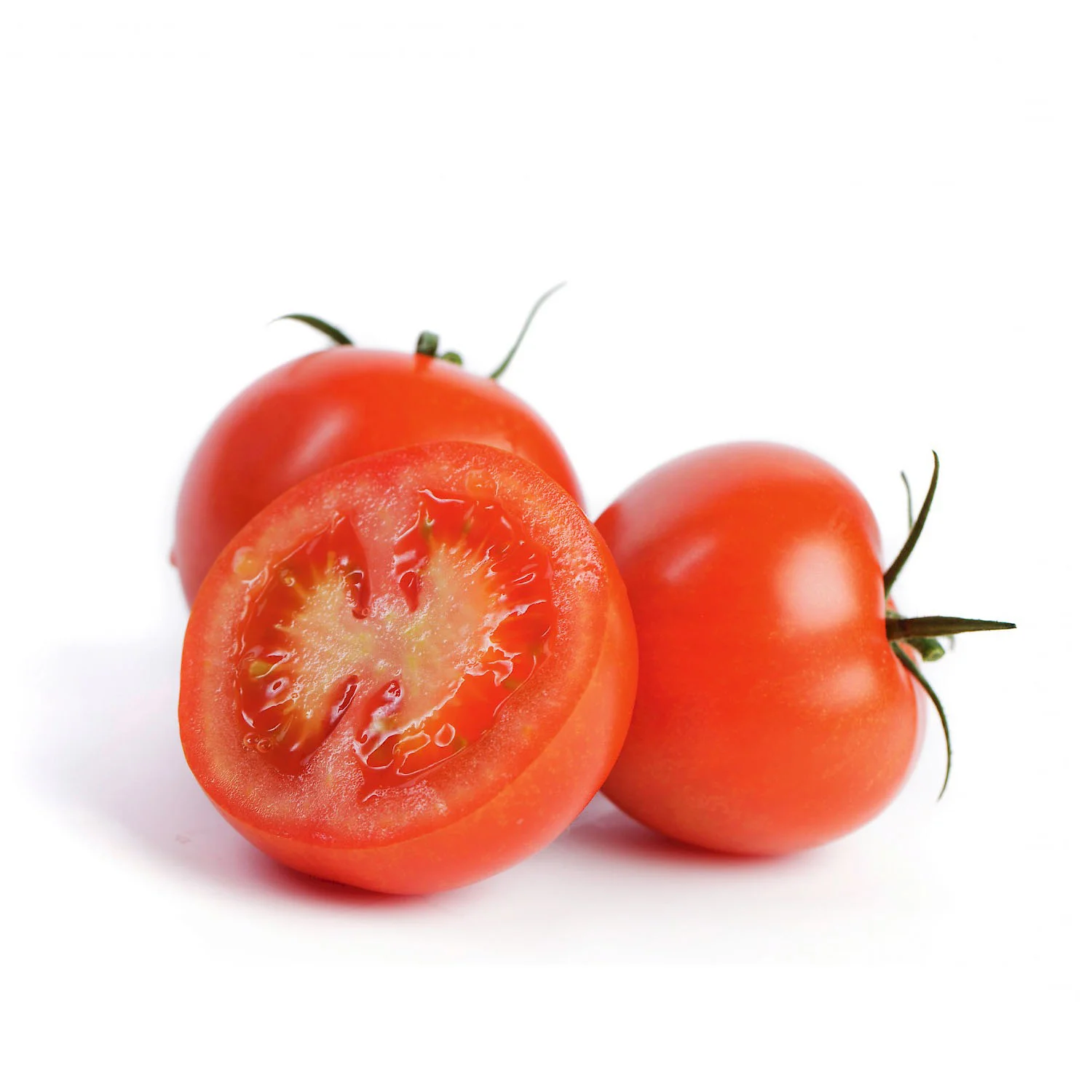
Tomato
Beef Tomatoes.
The large-fruited slicing class, and the load it puts on a greenhouse.
Start with the saleable product
Grow for the grade.
Handle for the market.
A larger tomato needs a clear acceptance specification. Average fruit weight helps define the crop, but the pack must also account for variation, shape and ripeness.
Fruit weight
Agree the individual-fruit target and accepted grade range. Use the selected cultivar’s description as a starting reference.
Shape and firmness
The required shape, ribbing, internal quality and firmness depend on the buyer and end use.
Loose-fruit handling
Picking, grading and packing happen fruit by fruit. Design access and transport around the accepted pack.
Cultivation choices
How to cultivate.
Start at the roots, then connect crop support and water management to the intended fruit and harvest format.
Soil or substrate
Choose the root environment, then plan irrigation, drainage and crop access around it. The cultivation route must suit the site and crop duration.
Crop support & irrigation
High-wire support, working height and water delivery must support the intended crop load and daily routine.
Climate & season
A crop plan for
the actual conditions.
Location, season and cultivar guide the schedule. A greenhouse and its technology must be designed around those conditions.
Balance load with light
Fruit load and the intended grade need to fit available light through the growing season.
Support fruit development
Climate, pollination and water management belong in the fruit-quality plan. Weight cannot be set independently of the crop.
Plan beyond the first harvest
A seasonal harvest profile must include the development of the crop and the saleable fraction, not just planting capacity.
Cultivation & daily work
Make the growing
routine workable.
The system should support the crop and the people caring for it. Review access, handling and cleaning as part of the layout.
Manage the crop load
Pruning and fruit-load decisions are cultivar-specific. Match the pruning plan to the selected cultivar and intended fruit grade.
Protect larger fruit
Use a picking and transport routine that limits impact and pressure damage.
Grade consistently
Capture fruit-weight distribution and rejected grades to assess the actual saleable output.
Judged the moment it is cut open
Beef tomato is bought whole and cut at the point of use. The interior is the product. The buyer sees the flesh, the cavities and the wall of the fruit the moment the knife goes through, and the outside of the tomato says little about what is behind it.
That interior is built on the plant while the fruit fills, and it is the first thing a long chain costs. A large fruit picked before it is finished takes on colour in transit but not flesh, and the difference shows on the cut face. Vitamin C and potassium run on the same schedule; both are laid down while the fruit is still attached.
Growing near the market lets the fruit stay on the plant until it is done. One tomato covers a whole sandwich or a whole plate, so the gap between fruit ripened on the vine and fruit ripened in a crate is not spread thin across a meal. It is the whole of what is tasted.
Nutrition facts
Tomato, red, ripe, raw — year round average
Per 100 g
- Energy
- 18 kcal
- Fat
- 0.2 g
- Carbohydrate
- 3.89 g
- Sugars
- 2.63 g
- Fiber
- 1.2 g
- Protein
- 0.88 g
- Sodium
- 5 mg
- Potassium
- 237 mg
- Vitamin C
- 13.7 mg
Beef tomato is the large-fruited class, sold as single fruit rather than as a cluster and bought for slicing. The truss structure is different from truss tomato: fewer fruit, each far heavier, and the plant carries that load differently. It remains commercially relevant across several European and Middle Eastern markets, and it is a common request in project briefs.
What the crop needs
The crop is long-cycle on substrate and high wire, with the same structural requirements as other high-wire tomato. Its distinguishing demand is the load a single truss places on the plant and on the crop wire, and the corresponding sensitivity to anything that interrupts water supply while a heavy fruit is filling. Fruit quality problems in this class tend to originate in the root zone rather than in the air.
What the greenhouse has to do
Beef tomato puts more load in fewer places, and the greenhouse is specified for that. The crop wire and the supporting structure carry heavy trusses through a long season, so mechanical margin counts for more here than it does with a small-fruited crop. Irrigation is sized for the heaviest fruit-filling week rather than for average use: drip capacity, buffer volume and drain recirculation all follow the peak.
Climate work concentrates on holding the transpiration balance a large fruit depends on. Heating, screening and humidity control do that together, and air movement through a dense canopy is part of the same specification rather than a separate system added later.
DutchGreenhouses® designs the structure, climate, screening and irrigation around the beef tomato crop and its cultivar, so the fruit reaches size without losing quality. Get in touch to discuss a beef tomato project.
Beef tomato, asked and answered
What makes beef tomato different to build for?
Load and water. The crop wire and the supporting structure carry heavy trusses through a long season, and irrigation is sized for the heaviest fruit-filling week rather than for average use.
Which markets buy beef tomato?
It stays commercially relevant across several European and Middle Eastern markets, sold as single fruit for slicing rather than as a cluster. The sale form drives the packing line as much as the growing area.
Can beef tomato share a greenhouse with another tomato type?
The climate envelope is shared, so a compartment split is the usual answer. It keeps harvest rhythm and plant load separate without needing a second greenhouse.
Other tomato
varieties.
The greenhouse benchmark crop. The class you sell decides the plant load, the harvest rhythm and the greenhouse.
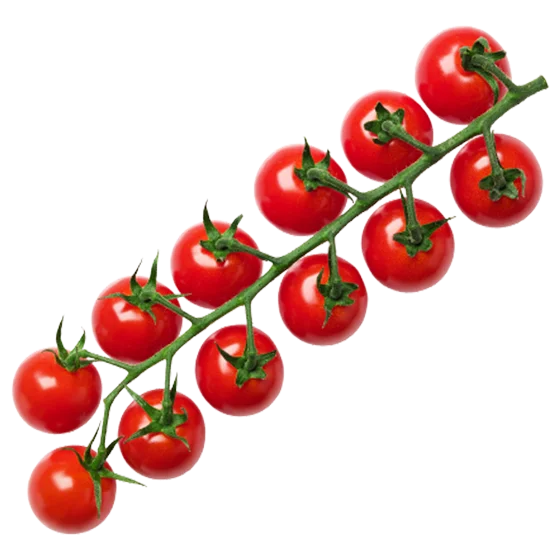
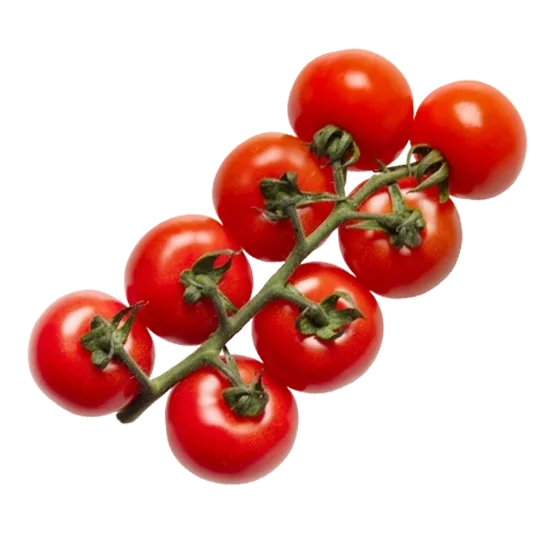
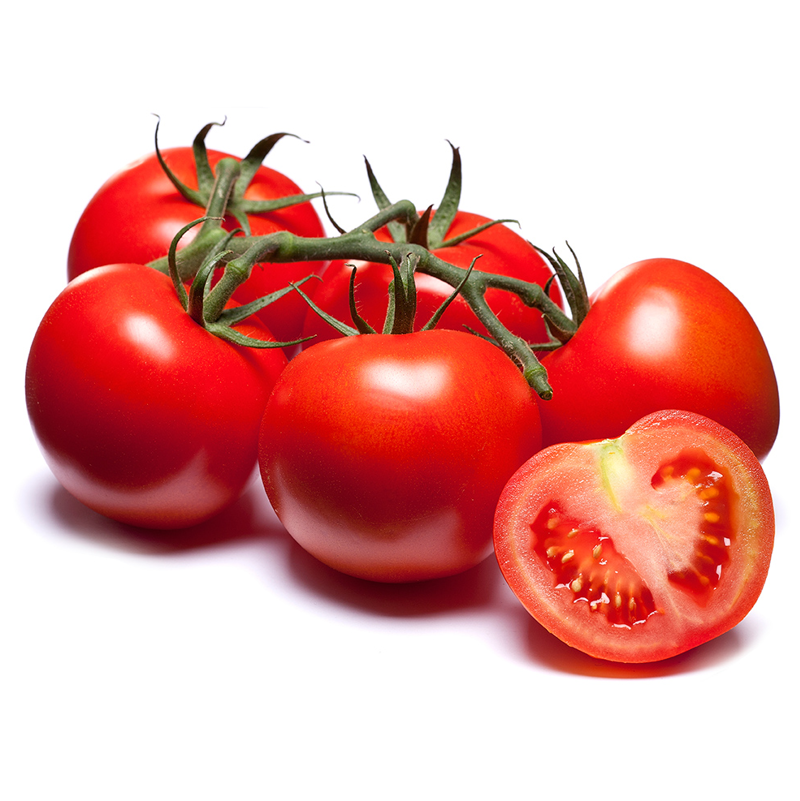
Crop support, working height, light and climate follow your tomato type and production calendar.
The greenhouse benchmark crop.
High-wire hydroponics on hanging gutters.
Match fruit type, quality grade and harvest metrics to your buyer.
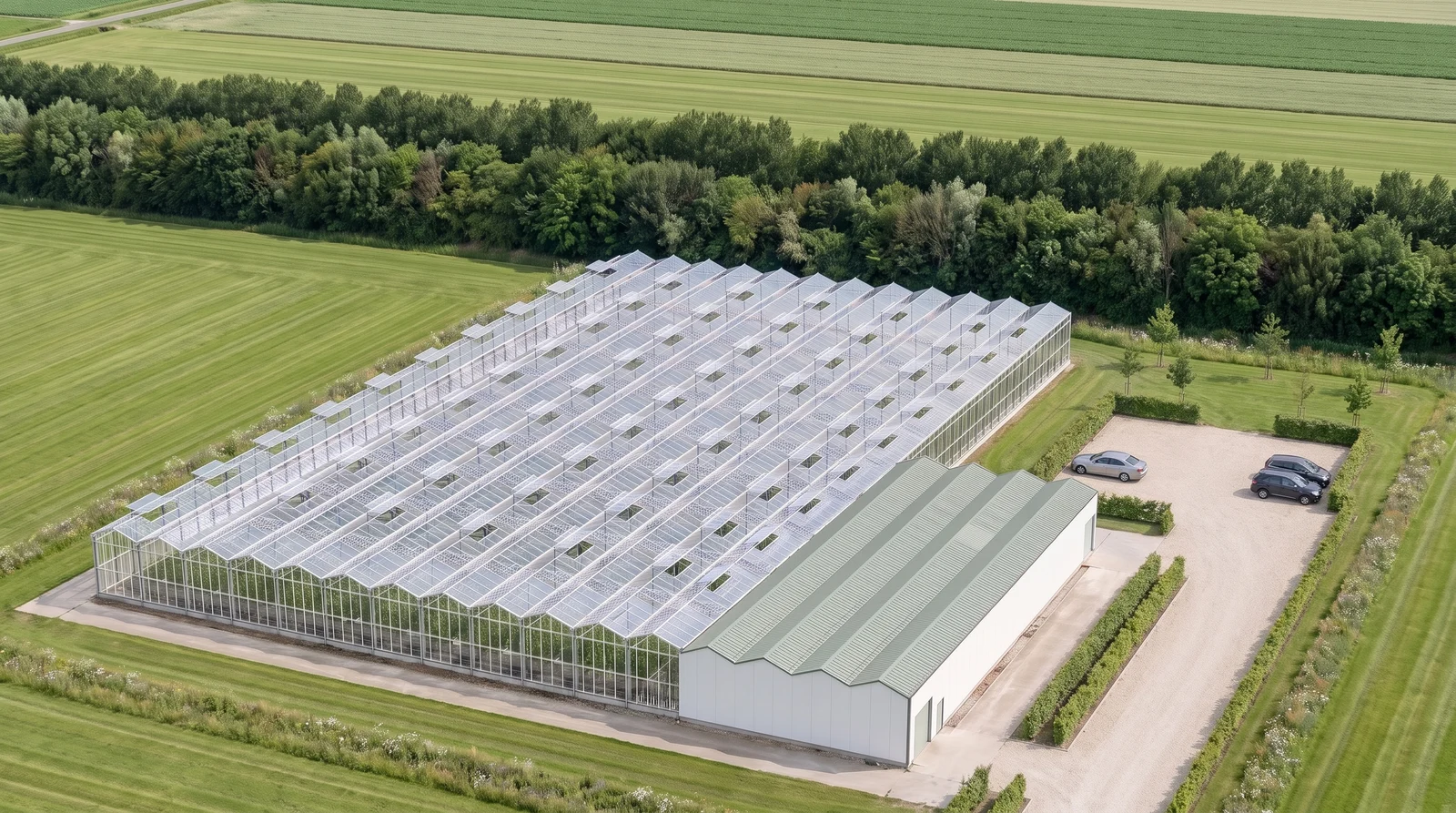
Expert Hydroponic Greenhouse Series
A defined structure for commercial hydroponics. The crop determines the growing system, climate strategy and harvest layout.
½ acre1 acre2 acresExplore Expert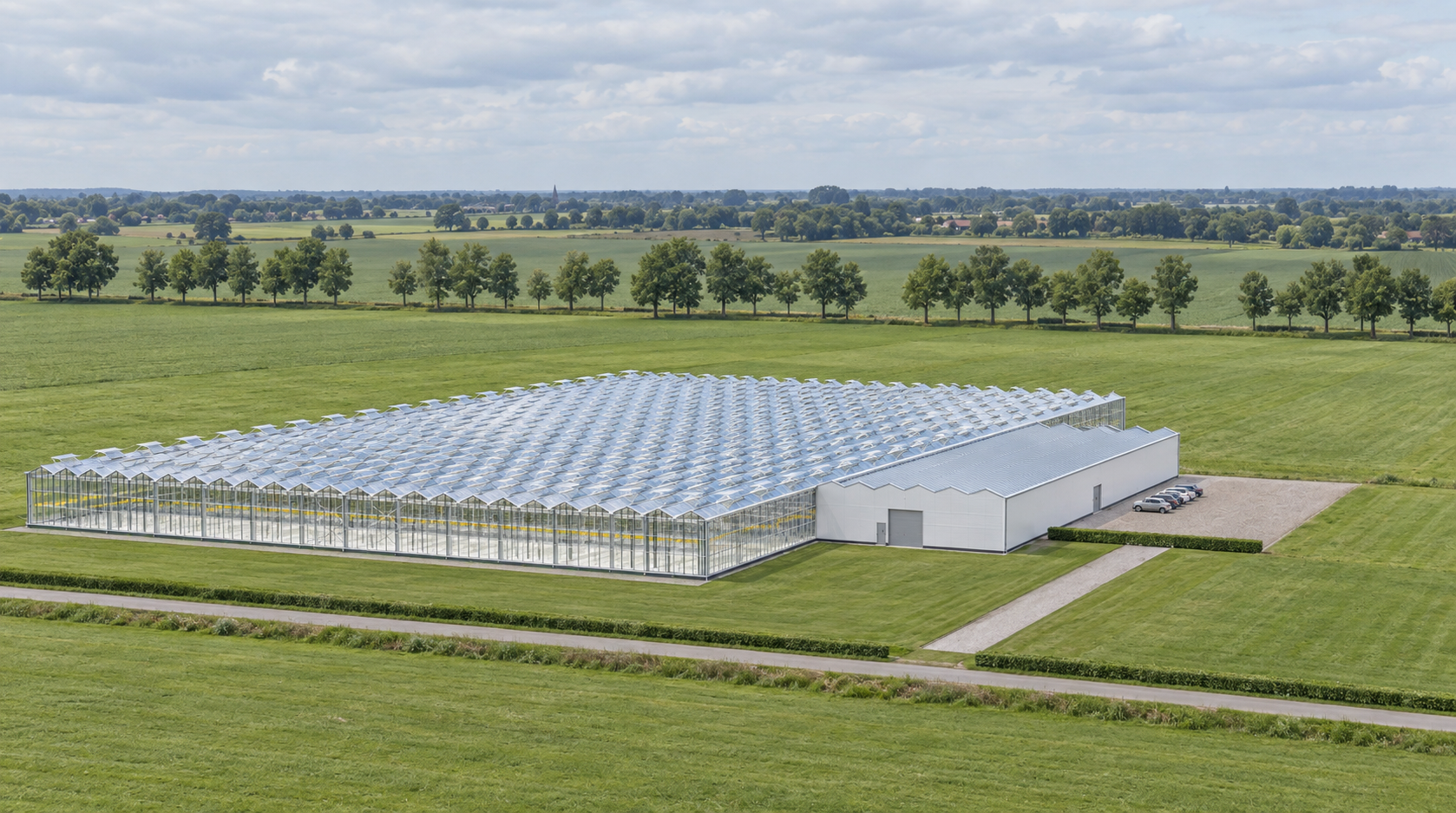
Plus Hydroponic Greenhouse Series
Our largest standard range. Match the larger growing area to crop demand, labour, utilities and the market you intend to supply.
2 acres4 acres8 acresExplore Plus4,032 m²43,400 sq ft of growing space is where a tomatoes plan usually starts (GrowPro Expert 1 acre). Compare all nine models
Put your next harvest
under glass.
Your crop, your site and the volume you want to sell. Let's find the greenhouse and systems to match.
Need a custom greenhouse?GrowPro Expert
We can also plan for another crop or a mixed growing programme.
Talk about your project Continue to our contact form. No commitment.Reads you might find interesting

Grow Like a Pro: Starting Smart, Growing Strong
How Grow Like a Pro combines smart farming, CEA technology and local partnerships for eco-friendly, profitable, pesticide-free greenhouse…
Read article
Maryland Cannabis Greenhouse: Year One
One year on: how the Maryland cannabis greenhouse, paired with an adjacent indoor facility, cut the energy bill and lifted both yields and…
Read article
The Case for a College Greenhouse
Why a college greenhouse belongs in the curriculum: teaching science, craftsmanship, business logic and sustainability, and preparing…
Read article
The Case for a High School Greenhouse
Why every high school greenhouse matters: how it makes STEM tangible, builds responsibility and teamwork, and helps students discover their…
Read article
Greenhouses in Education: The Case for Schools
Greenhouses in education reconnect students to reality — the full case for why every school, high school, college and trade program should…
Read article
The Origins of Greenhouse Horticulture: My Backyard
A tour through greenhouse horticulture history: from 19th-century Westland fruit walls to the “City of Glass” and today’s international…
Read article