
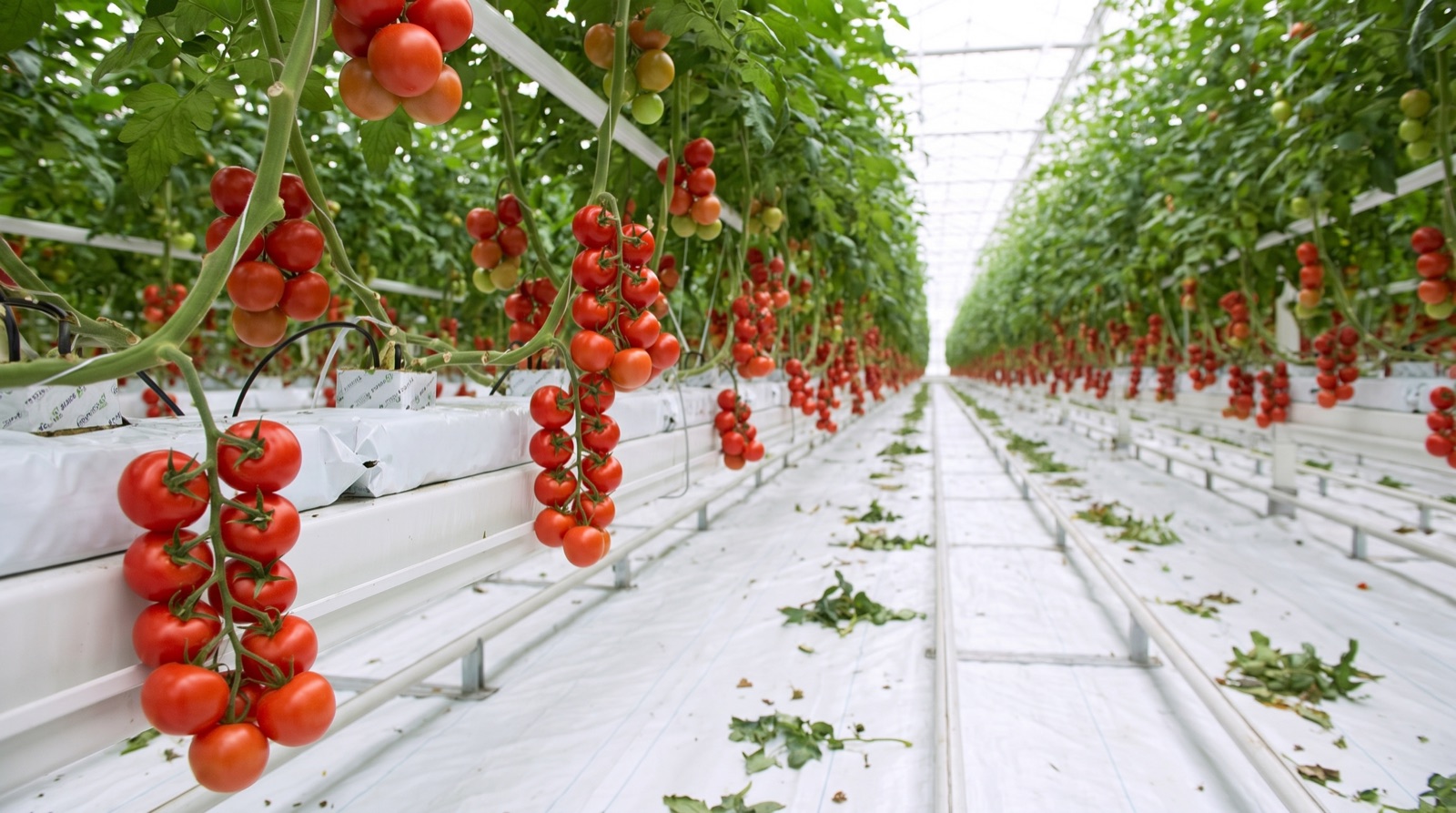
Crops · Fruiting vegetable
Tomato.
The crop the modern glasshouse was built around.
Plan repeated harvests
A growing crop.
A continuing harvest.
In a long-cycle tomato crop, the plant keeps flowering and setting fruit while ripe fruit is picked. The planting date and first harvest are only the beginning of the supply plan.
Plants arrive ready for the plan.
Propagation, grafting where appropriate, transplant stage and establishment connect the nursery to the greenhouse.
Develop roots and canopy.
Stem training, flowering, pollination and fruit set prepare the crop for its first picking period.
New growth. New fruit. Repeated picking.
Harvest overlaps with pruning, lowering, leaf work, irrigation and scouting. The work continues throughout production.
Plan the last trusses and the next crop.
The final harvest, crop removal, cleaning and turnaround occupy time in the production calendar.
The location sets the conditions
Climate belongs
in the crop plan.
Light drives the production opportunity. Temperature, humidity and water conditions influence growth, pollination, fruit set and quality. A greenhouse design must connect them to the intended harvest season.
Low-light periods
Balance crop load and stem strategy with available light. Heating, screens and any supplemental lighting need a joined-up assessment of the crop calendar and energy supply.
Hot, dry conditions
Review cooling, ventilation, shading and water quality together. The ability to manage heat and water demand affects the feasible growing season.
Warm, humid conditions
Removing heat and moisture can be as important as adding them elsewhere. Air exchange, condensation control, disease pressure and pollination all belong in the design.
Technology follows cultivation
Roots, support
and a working aisle.
The root environment, crop-support system and irrigation each have a job. They must work together with plant spacing, access and the expected growing period.
Soil or substrate: start at the roots
Soil cultivation needs a soil, drainage and crop-health plan. Substrate cultivation separates the rooting medium from the soil and typically supplies water and nutrients through drippers. The choice changes irrigation, drainage and hygiene requirements.
High-wire support: plan for the whole crop
Long-cycle indeterminate tomatoes are trained and supported as stems extend. Wire height, crop loads, lowering and leaning, and access for crop work must be resolved with the structure. A high-wire arrangement is a support method, not a separate irrigation system.
Water and nutrients: follow crop demand
Irrigation delivery, nutrient dosing and drainage are coordinated with the rooting medium and crop demand. Recycling requires water-quality management and treatment suited to the installation.
Pollination and crop health: protect the harvest
Flowering does not guarantee marketable fruit. Pollination conditions, scouting, hygiene and an integrated pest-management programme belong in the growing routine and greenhouse design.
Organise the work
A harvest needs
a team behind it.
Tomato production combines recurring crop work with picking and packing. The labour plan should follow the crop’s workload through the season.
Crop care
Training, pruning, lowering, leaf removal and crop observation require access and an organised work routine. Stems are a useful planning unit for this part of the work.
Picking & packing
Fruit class, loose or truss harvest, ripeness and pack format change the handling steps. Saleable volume and measured work rates turn a harvest forecast into a staffing plan.
Automation with a purpose
Irrigation and climate control, internal transport, grading and packing address different tasks. Assess each against the crop, building layout and available operating team.
A higher stem count does not by itself predict more saleable fruit, fewer labour hours or a better return. The crop, climate and work plan have to agree.
Grown close, picked ripe
Tomato is mostly water, and the rest is the reason it is eaten. Vitamin C, potassium and the carotenoid that gives ripe fruit its colour all sit in that small remainder, and all of them are strongest in fruit that ripened on the plant rather than in a crate.
That is where distance starts to matter. Fruit with a long journey ahead is picked before it is ready, because a ripe tomato does not travel. It finishes colouring in transit and arrives looking finished, but the sugars and the acids that were still being laid down when it was cut never arrive at all. The cultivar on the label is the same. The product is not.
Growing near the market removes the compromise. A greenhouse close to the people who eat the crop can pick at ripeness and deliver the same week, and it can do that in February as readily as in July, which is the part a field cannot promise. The shorter the distance between the plant and the plate, the less of the crop is spent getting there.
Nutrition facts
Tomato, red, ripe, raw — year round average
Per 100 g
- Energy
- 18 kcal
- Fat
- 0.2 g
- Carbohydrate
- 3.89 g
- Sugars
- 2.63 g
- Fiber
- 1.2 g
- Protein
- 0.88 g
- Sodium
- 5 mg
- Potassium
- 237 mg
- Vitamin C
- 13.7 mg
Which tomato?
The commercial classes.
The greenhouse benchmark crop. The class you sell decides the plant load, the harvest rhythm and the greenhouse.
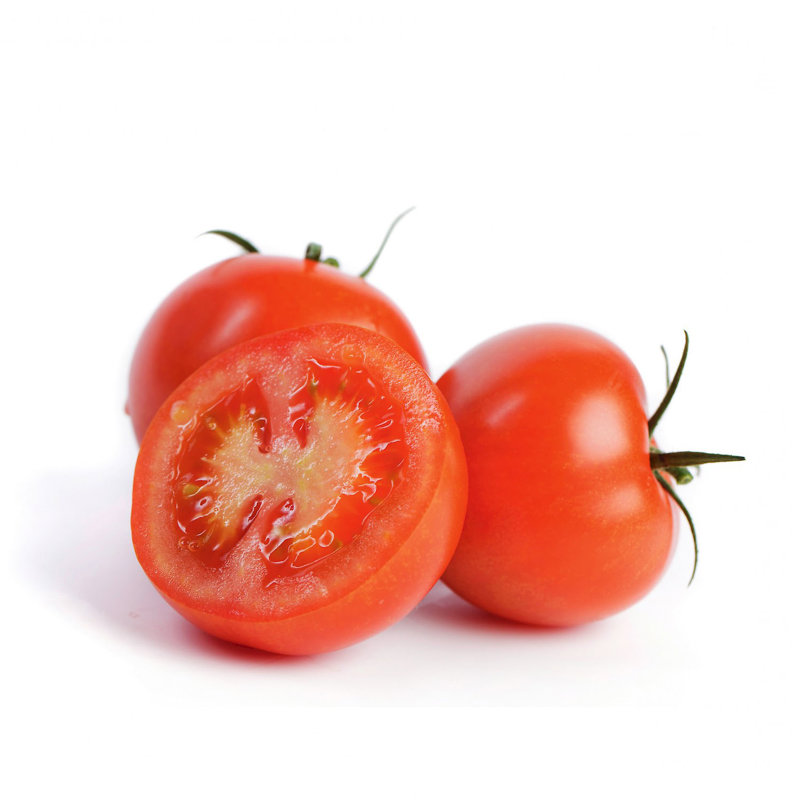
Beef Tomatoes
Beef tomato is the large-fruited slicing class, sold as single fruit rather than as a cluster.
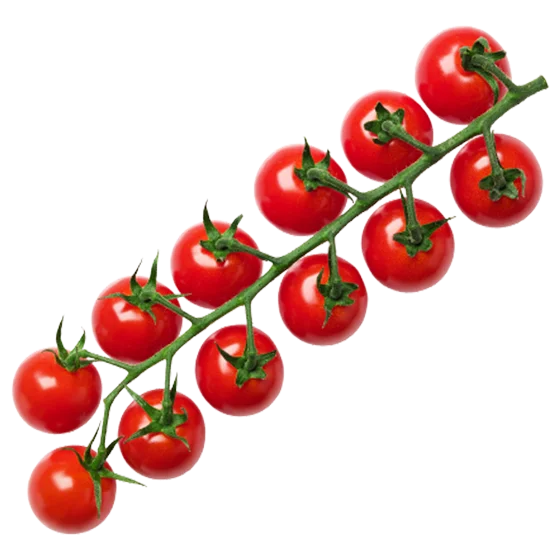
Cherry Tomatoes
Cherry tomato is a separate market class from truss, priced on flavour and appearance rather than weight.
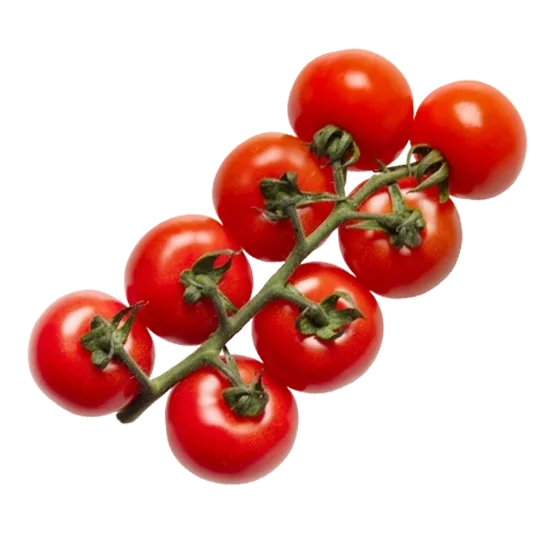
Cocktail Tomatoes
What are cocktail tomatoes?
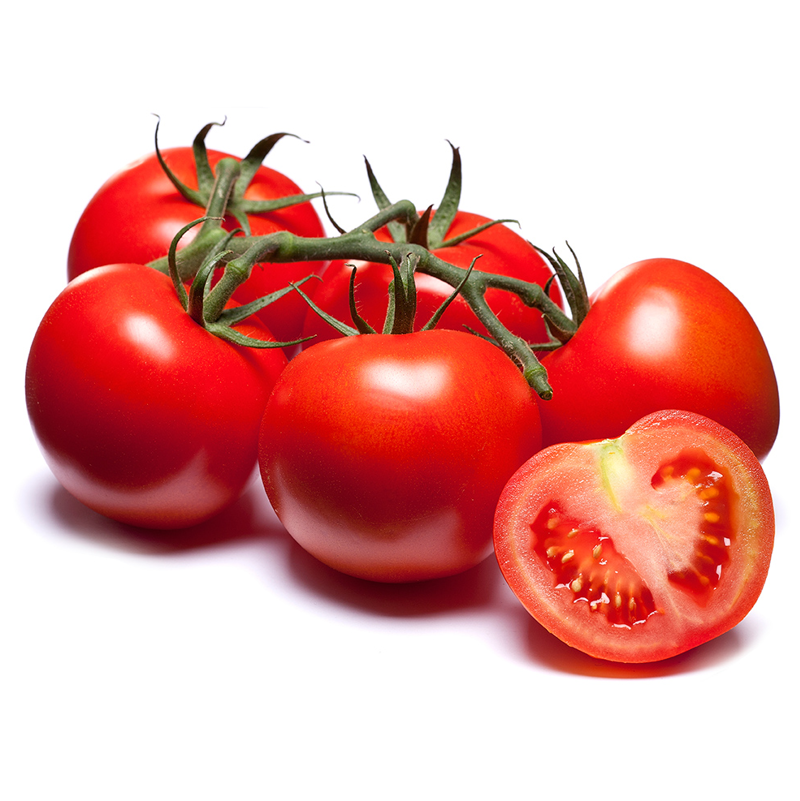
TOV / Truss Tomatoes
Truss tomato is harvested as a whole cluster with the vine attached, and graded on evenness across the truss.
Tomato is the reference crop of Dutch protected horticulture, and most of what a modern greenhouse does was worked out on it. Year-round supply, high-wire cultivation, carbon dioxide dosing, screening strategy and recirculating irrigation all matured on tomato before they moved to other crops. A buyer entering tomato is entering the most documented crop in the sector, which means the design questions are well understood and the competition is experienced.
What the crop needs
The plant is a long-cycle, indeterminate fruiting vegetable grown on substrate and carried on a high wire. It is planted once and harvested for most of the year, so the greenhouse is not sized for a peak week but for a continuous rhythm of setting, ripening and picking. Because the crop is in place for so long, the structure and the climate system carry the whole season rather than a short window, and a shortcoming in either compounds across every truss the plant sets.
What separates the varieties
What splits the commercial types is fruit size and how the fruit is sold. Truss tomato is harvested on the vine as a cluster and is the Dutch export standard. Cherry and cocktail are smaller-fruited market classes with their own plant load, harvest labour and quality expectations. Beef is a large-fruited class with a different truss structure entirely. The climate recipe is shared across the whole crop, but plant load, harvest interval and handling differ enough that the greenhouse is specified for the type rather than for tomato in general.
DutchGreenhouses® specifies the structure, climate control, screening and irrigation together around the tomato type, its market and the local climate, so the envelope suits the fruit being sold rather than tomato in general. Get in touch to plan a tomato greenhouse for your market.
Crop support, working height, light and climate follow your tomato type and production calendar.
The greenhouse benchmark crop.
High-wire hydroponics on hanging gutters.
Match fruit type, quality grade and harvest metrics to your buyer.
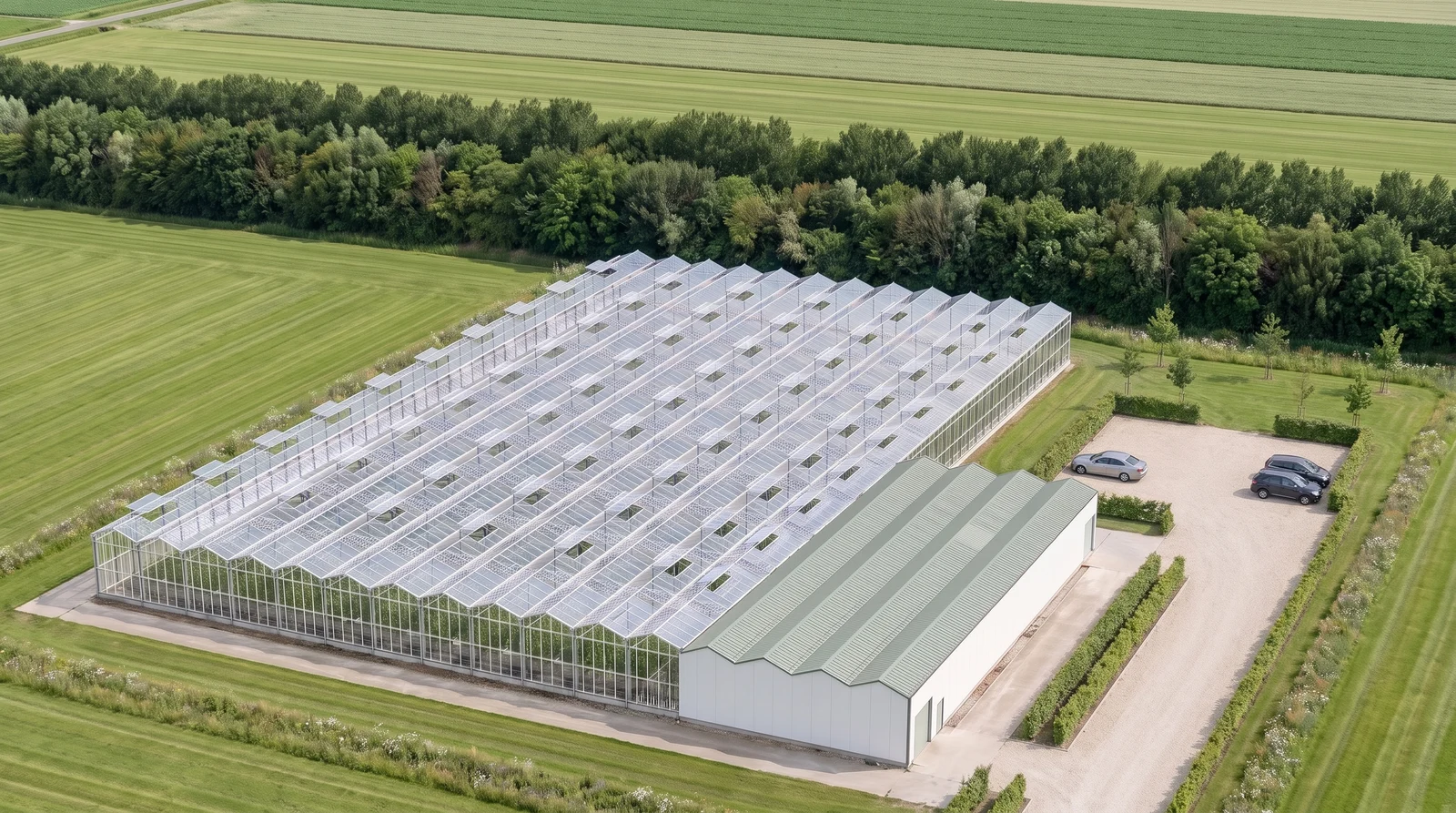
Expert Hydroponic Greenhouse Series
A defined structure for commercial hydroponics. The crop determines the growing system, climate strategy and harvest layout.
½ acre1 acre2 acresExplore Expert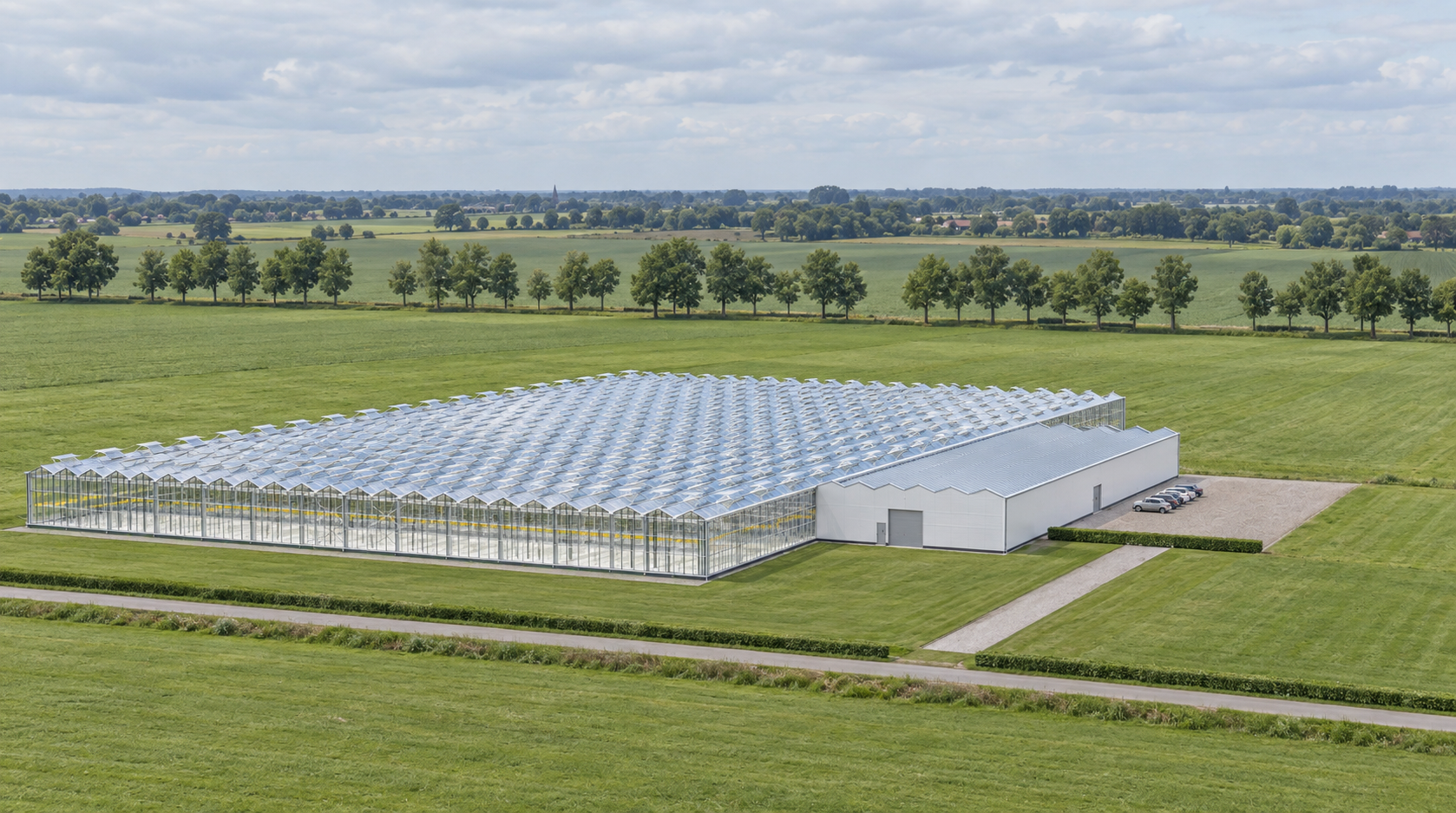
Plus Hydroponic Greenhouse Series
Our largest standard range. Match the larger growing area to crop demand, labour, utilities and the market you intend to supply.
2 acres4 acres8 acresExplore Plus4,032 m²43,400 sq ft of growing space is where a tomatoes plan usually starts (GrowPro Expert 1 acre). Compare all nine models
Put your next harvest
under glass.
Your crop, your site and the volume you want to sell. Let's find the greenhouse and systems to match.
Need a custom greenhouse?GrowPro Expert
We can also plan for another crop or a mixed growing programme.
Talk about your project Continue to our contact form. No commitment.Reads you might find interesting

Grow Like a Pro: Starting Smart, Growing Strong
How Grow Like a Pro combines smart farming, CEA technology and local partnerships for eco-friendly, profitable, pesticide-free greenhouse…
Read article
Maryland Cannabis Greenhouse: Year One
One year on: how the Maryland cannabis greenhouse, paired with an adjacent indoor facility, cut the energy bill and lifted both yields and…
Read article
The Case for a College Greenhouse
Why a college greenhouse belongs in the curriculum: teaching science, craftsmanship, business logic and sustainability, and preparing…
Read article
The Case for a High School Greenhouse
Why every high school greenhouse matters: how it makes STEM tangible, builds responsibility and teamwork, and helps students discover their…
Read article
Greenhouses in Education: The Case for Schools
Greenhouses in education reconnect students to reality — the full case for why every school, high school, college and trade program should…
Read article
The Origins of Greenhouse Horticulture: My Backyard
A tour through greenhouse horticulture history: from 19th-century Westland fruit walls to the “City of Glass” and today’s international…
Read article